Friday, 7 November 2014

Symptoms/Early Signs

There are many symptoms and signs of leukemia. Lots that you should take precautions. Like:
- Fatigue
- Weakness
- Easy bruising and bleeding
- Pale skin
- Red, pinheaded-sized spots on the skin
- Weight loss
- Fever
- Bone or abdominal pain
- Difficulty breathing or shortness or breath
- Frequent infections 
- Swollen lymph nodes (gland)
- Enlarged liver or spleen


Thursday, 6 November 2014

Affects With The Body


Your bone marrow is where stem cells grow. These stem cells become white blood cells, red blood cells, and platelets. In most cases of leukemia, there are too many abnormal white blood cells. These leukemia cells crowd out the normal blood cells in your bone marrow and build up in your lymph nodes, liver and spleen. When the leukemia cells crowd out your normal cells, your blood can't do its job. You may bleed or bruise easily, have more infections and feel very tired.


Wednesday, 5 November 2014

Leukemias Spreading

Leukemia spreads by a genetic mutation that produces abnormal cells that grow much faster than normal cells. When the growth rate of the leukemia cells outpaces the growth rate of normal cells, the leukemia cells will begin to outnumber normal cells and the leukemia cells eventually take over.


Tuesday, 4 November 2014

Fatal and Treatable

Leukemia is treatable. About 80% to 90% of adults with leukemia will have complete remissions after treatment. That means leukemia cells can no longer be seen in their bone marrow. But in about half of these patients the cancer will come back , so the overall cure rate is around 40%. Again, these rates vary depending on the type of leukemia and other predictions of the outcome of the disease. Cure rates tend to be higher in younger patients and lower in older patients. Leukemia is usually fatal. It has a 60% chance of survival. 

Monday, 3 November 2014

Treatments

Leukemia treatment plans often are personalized and geared toward each individual patient. In general, there are five major approaches to the treatment of leukemia:

1- Chemotherapy to kill leukemia cells using strong anti-cancer drugs.

2- Interferon therapy to slow the reproduction of leukemia cells and promote the immune system's anti-leukemia activity.

3- Radiation therapy to kill cancer cells by exposure to high-energy radiation.

4- Stem cell transplantation to enable treatment with high doses of chemotherapy and radiation therapy.

5- Surgery to remove an enlarged spleen or to install a venous access device (large plastic tube) to give medications and withdraw blood samples.

Interferon Therapy To Treat Leukemia

Interferons are a class of proteins that are released by virus-infected cells. They help normal cells to make antiviral proteins. Interferons also help the body to reduce the leukemias cell growth and reproduction, while strengthening the body's immune response. 

Sunday, 2 November 2014

Precautions To Prevent Leukemia

There are no precautions to prevent leukemia. It is a disease and there are no known precautions.

Saturday, 1 November 2014

Concerns

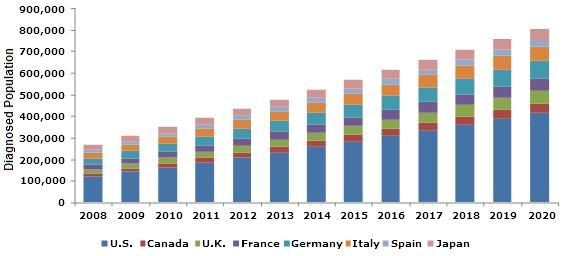
I foresee in the future that this type of cancer will get worse. This is because each year the percentage and death rate of people getting leukemia worldwide is getting higher very fast. The graph below shows the years up to 2020 and the diagnosed population of many different countries including Canada.